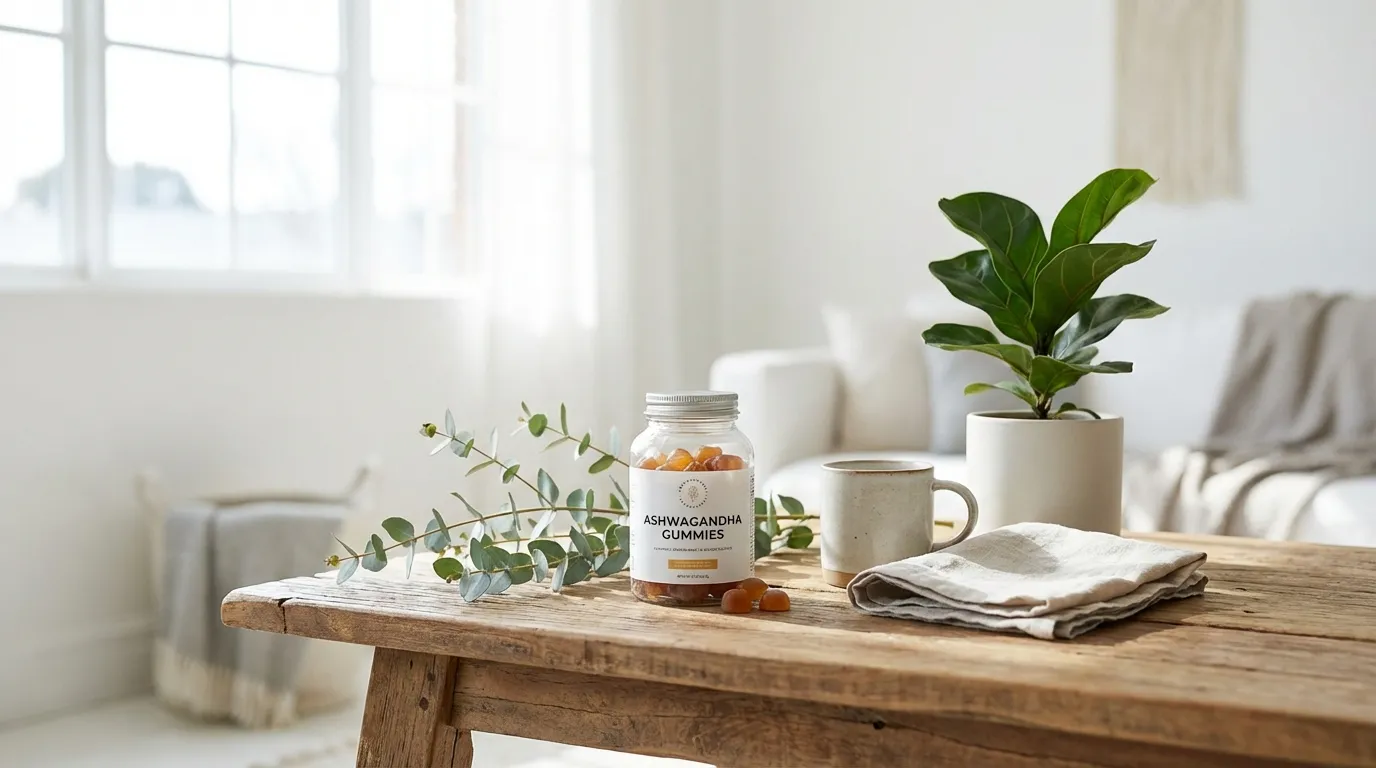
Why Ashwagandha Gummies Are Trending for Stress Relief in 2026
Stress relief has moved from a nice bonus to a daily must. This week, wellness analysts shared that ashwagandha gummies rank among the fastest-growing stress relief supplements of 2026, and it’s hard to miss. This growth often ties back to rising burnout, longer workdays, and a steady move toward natural options that don’t feel like extra work. Across the U.S. and Europe, many adults are choosing stress relief gummies to support cortisol and mood because they fit easily into busy routines. You take them and move on, no prep, no cleanup. In my view, that kind of ease is usually what makes the choice simple.
What sets ashwagandha gummies apart is their familiar, food-like feel. Capsules or powders can seem clinical and, honestly, a bit annoying, while gummies feel low-effort and friendly. Market researchers say stress-focused gummy supplements are now clearly mainstream. This change often matches growing mental health awareness, keto-friendly formulas, and the wider adaptogen trend. For health-conscious adults juggling work, family, and hormone health, simple options matter most during long evenings and high-pressure weeks, when energy is already stretched thin.
The Stress Crisis Driving Ashwagandha Gummies Into the Spotlight
Ashwagandha gummies didn’t become popular overnight. Their rise closely follows growing stress levels, and over the past two years that pressure has been easy to see. Reports through mid‑2026 keep pointing to workplace burnout and ongoing money worries as major sources of stress, with sleep issues often coming along for the ride. That combo makes sense. Market data helps explain why gummies are appearing everywhere: managing everyday stress is now the main reason people choose ashwagandha supplements, far ahead of short‑term or occasional use. That change says a lot.
Industry estimates place the global ashwagandha supplements market at USD 721.5 million in 2024, with forecasts showing it more than doubling by 2033. Most of this growth is tied to stress relief and anxiety support. At the same time, the broader stress‑relief gummies market is expected to reach USD 0.63 billion in 2026. Put together, these numbers point to a clear pattern: people are making stress support part of their daily routines, not something they turn to only during especially tough weeks.
Rising Burnout and Daily Stress Patterns
Survey data helps explain what’s behind this growth. Workplace wellness platforms report that more than 60 percent of professionals feel chronically stressed at least four days a week. That’s a heavy load by any standard. When stress feels constant, people usually look for options they can stick with every day, instead of tools saved for breaking points (you’ve probably noticed this shift yourself). Consistency tends to matter most.
Format Preference and Ease of Use
This is where format really matters. Many adults aged 25 to 45 avoid pills whenever they can. Gummies are easier to remember and don’t feel like a chore, which often leads to better follow‑through. For adaptogens like ashwagandha, regular use matters more than doing a lot in one week. It also explains why brands are leaning into flavored gummies with lower sugar and vegan‑friendly formulas instead of relying only on classic capsules.
| Market Segment | Market Size | Key Driver |
|---|---|---|
| Ashwagandha supplements | USD 721.5M | Stress and anxiety support |
| Ashwagandha gummies | USD 1.12B | Non-pill convenience |
| Stress relief gummies | USD 0.63B | Daily mental wellness |
Why Gummies Beat Capsules for Stress Relief Right Now
In 2026, convenience is usually the main reason gummies are pulling ahead. Stress tends to hit during packed afternoons or late evenings, not during slow, calm moments (which don’t happen often anyway). When the day already feels full, swallowing capsules or mixing powders can feel like one more thing to deal with. Gummies remove that extra step. You open the bottle, chew, and move on. In my view, that kind of ease matters most during busy workdays or right before bed, when decision fatigue is already wearing you down.
Consistency and Adherence Benefits
Consistency is where ashwagandha for stress often makes the biggest difference. Gummies make regular use feel more like a habit than a reminder you keep skipping. They’re easy to carry, usually taste decent, and don’t need water. Most also don’t require taking them with meals, which sounds minor but trips people up more than they expect. Over time, those small details add up. Because of that, people tend to stick with gummies more than capsules, especially if they’re new to supplements or just forgetful.
Improved Formulas and Ingredient Quality
Consumer behavior data backs this up. People are about 30 to 40 percent more likely to keep a supplement habit when it feels enjoyable. With gummies, that enjoyment often comes from the flavor, the chew, and even how they look (small thing, but it helps). Since it doesn’t feel like medicine, it can become a short daily pause for stress support instead of something you put off.
Formulas have improved too. Many better ashwagandha gummies now use standardized root extracts instead of raw powder, which usually means steadier dosing and fewer stomach issues. There’s also been a clear move toward pectin-based gummies rather than gelatin. That works better for vegan or plant‑forward diets and often feels lighter to digest.
Sugar used to be the main drawback. By 2026, that worry has eased. Low‑net‑carb and keto‑friendly stress relief gummies are now common, using alternative sweeteners and smaller serving sizes. For many people, that makes it easier to support calm without working against weight or blood sugar goals.
If you want a clearer breakdown of how ingredient quality and formulation differ, we covered that in Ashwagandha Gummies for Stress: What to Know.
Adaptogens, Hormones, and the Wellness Trends Shaping 2026
Ashwagandha has ended up right at the center of several wellness trends coming together in 2026, and with more momentum than many people expected. Adaptogens aren’t niche ingredients traded in small online groups anymore. They’re part of everyday talks about cortisol, sleep habits, and how both can affect how someone feels during a busy week. That shift feels meaningful, especially because it’s happening well beyond hardcore wellness spaces.
Hormonal Balance and Mood Support
What stands out is how people actually use it. Many adults say they start taking ashwagandha gummies to help with stress, but they keep taking them because their mood feels more even and their energy feels easier to manage. This pattern shows up often among women dealing with hormone changes tied to stress, long periods of dieting, or perimenopause. The changes aren’t dramatic, but they’re clear enough to notice.
Science and Emerging Research
Research keeps moving the conversation along. Much of the attention stays on cortisol and how keeping it in check may, over time, support thyroid health. There’s also growing interest in how ashwagandha may relate to reproductive hormones and the body’s natural sleep and wake cycle. This more science-focused angle makes it feel more trustworthy to people who want real data, not just wellness buzz.
Diet trends matter too. With keto and low-carb lifestyles still popular, more people want stress support that doesn’t raise blood sugar or clash with fat-loss goals. That likely explains why keto-friendly stress gummies are getting attention alongside ACV gummies and magnesium blends.
The way people talk about mental health has shifted as well. Stress supplements are now seen as daily habits rather than quick fixes, which makes regular use feel normal.
If you want to see how stress support fits into a wider wellness plan, we covered that here: Ashwagandha for Stress: The 2026 Supplement Everyone Loves.
Of course, a few common mistakes still pop up. Some people expect instant calm from one gummy, even though adaptogens usually work slowly. Others mix several stress supplements at once, which can leave them feeling oddly drained instead of balanced, like taking ashwagandha, magnesium, and caffeine together and then wondering why their energy feels off.
What Quality Looks Like in the Best Ashwagandha Gummies
By 2026, it’s clear that not all gummies work the same way. Branding doesn’t carry as much weight as it used to, mostly because people have gotten better at reading labels and noticing shortcuts. Many buyers now want to know where ingredients really come from, and that curiosity has reshaped how quality is judged. Big promises don’t impress as much anymore. Clear details do.
Ingredient Transparency and Testing
Well-made ashwagandha gummies usually rely on standardized extracts, with exact milligram amounts listed on the label so nothing is left unclear. Brands that care about quality often skip proprietary blends, since those can hide how much of an ingredient you’re actually getting. Clean-label preferences also show up in shorter ingredient lists, fewer fillers, and fewer artificial colors. That kind of transparency stands out fast.
Third-party testing has become one of the strongest ways brands earn trust. Certifications that check purity, potency, ingredient identity, and heavy metals help confirm that what’s on the label is what’s in the bottle. This kind of reassurance matters even more for supplements people take every day, which is true for most users.
Absorption and Flavor Innovations
Absorption is another piece that often gets missed. Gummies that dissolve well and are made with bioavailability in mind tend to feel more consistent over time. For stress support, even small changes in cortisol can affect sleep, focus, and mood. Small shifts can still be felt.
Sweeteners matter too. Sugar-heavy gummies are still around, and they often taste great. Still, many health-focused adults prefer monk fruit or similar options because they fit better with keto and metabolic health goals. Flavor counts, but it’s rarely the only concern.
We covered absorption in more detail here: Best Practices for Gummy Supplement Bioavailability.
The rise of brands like Use Gummies points to growing interest in cleaner formulas and stress-focused products that fit smoothly into daily routines. That change makes sense given how expectations have shifted.
What This Trend Means for Stress Relief Going Forward
What stands out most is that ashwagandha gummies are starting to feel less like a passing trend and more like a steady part of everyday wellness. At least in my view, market forecasts support this, pointing to steady growth over the next decade. Younger adults are starting preventative habits earlier, and many stick with them. That often means they don’t wait until full burnout before dealing with stress, something a lot of people recognize from their own lives.
Evolving Formulas and Consumer Expectations
Blended formulas are also becoming more common. It’s now normal to see ashwagandha combined with magnesium or L-theanine, with sleep support staying a main focus. At the same time, expectations are shifting. Brands are being pushed to reduce sugar and explain ingredients more clearly, since labels matter more now than they did a few years ago. As interest grows, regulation keeps coming up as well, bringing more attention to product quality and consistency.
Tech Integration and Wellness Tracking
Technology adds another piece to the picture. Wearables and wellness apps already guide daily choices for many people. That data can help suggest when stress relief supplements fit best, based on real-time signals. Usually, this means less guessing and more useful feedback.
For consumers, this change often feels like a relief. Stress support feels simpler and easier to approach. There’s no need for complicated routines. One carefully chosen gummy can support daily balance, especially when expectations stay realistic.
Seen this way, ashwagandha gummies work best as one supportive option. They tend to help more when paired with decent sleep, regular movement, and attention to nutrition. Noticing how the body responds over time usually makes the difference.