Hormonal Fat Loss: Keto and Ashwagandha Guide
If you’ve ever felt like losing weight gets harder the more effort you put in, you’re not alone, and yes, it can be frustrating. Many people eat less, move more, and still feel stuck. In most cases, this isn’t about willpower. It usually has more to do with hormones. Hormonal fat loss looks at how insulin and stress hormones affect where fat is stored and when your body is willing to release it. When those signals aren’t working well, losing fat can feel like pushing uphill with very little progress, which explains why it feels so exhausting.
What really stands out in this beginner‑friendly guide is how clearly it explains everything. It looks at how the keto approach can help balance insulin and why stress has a bigger effect than many people realize. That’s where ashwagandha for stress comes in. It also explains why gummies are popular with people who want something simple and consistent, especially when daily routines are hard to maintain. There’s nothing complicated here, and it doesn’t ask you to overthink things.
By the end, you’ll likely have a better understanding of how keto diet supplements and ashwagandha gummies can be used together in a realistic way, without extremes. To me, this is about being practical, staying consistent, and supporting your body instead of working against it. It’s not about doing everything perfectly, just choosing a steadier path you can actually keep up with.
Understanding Hormonal Fat Loss and Why Diet Alone Is Not Enough
Many people feel good on keto and still hit a wall when life gets stressful. That usually isn’t about willpower. Hormonal fat loss often comes down to insulin and cortisol, two things most people don’t think about at first. Insulin helps manage how the body uses sugar and signals when to store fat, often around the waist. Cortisol, the main stress hormone, tends to rise during long workdays, missed breaks, and poor sleep. When either one stays high for too long, fat loss often slows, and belly fat is usually the last to budge (annoying, but very common).
Studies on ketogenic eating patterns show that cutting carbs can lower insulin spikes and help with appetite control over time. In many cases, research also points to better long‑term fat loss for some people compared to low‑fat diets. What often gets missed is stress. High stress can drive cravings and mess with sleep, and that mix can lead the body to hold onto fat instead of letting it go.
Here’s a simple snapshot of the main hormonal pieces involved in keto‑based fat loss, quick and clear.
| Factor | What It Does | Why It Matters |
|---|---|---|
| Insulin | Controls blood sugar | High levels block fat burning |
| Cortisol | Stress response hormone | Chronic stress increases belly fat |
| Ghrelin | Hunger hormone | Often decreases on keto over time |
That’s why someone can eat “right” all week and still stall after a few late nights and nonstop work.
How Keto Supports Hormonal Fat Loss in Real Life
The keto approach keeps carbs very low so the body can shift into ketosis. When that happens, fat becomes the main fuel instead of sugar. This change often helps the body handle insulin better, and energy usually feels more even during the day. Many people notice fewer afternoon crashes, which makes everyday tasks easier. After the early adjustment phase, things often calm down for most people. Less energy bouncing up and down. More steady days that feel doable.
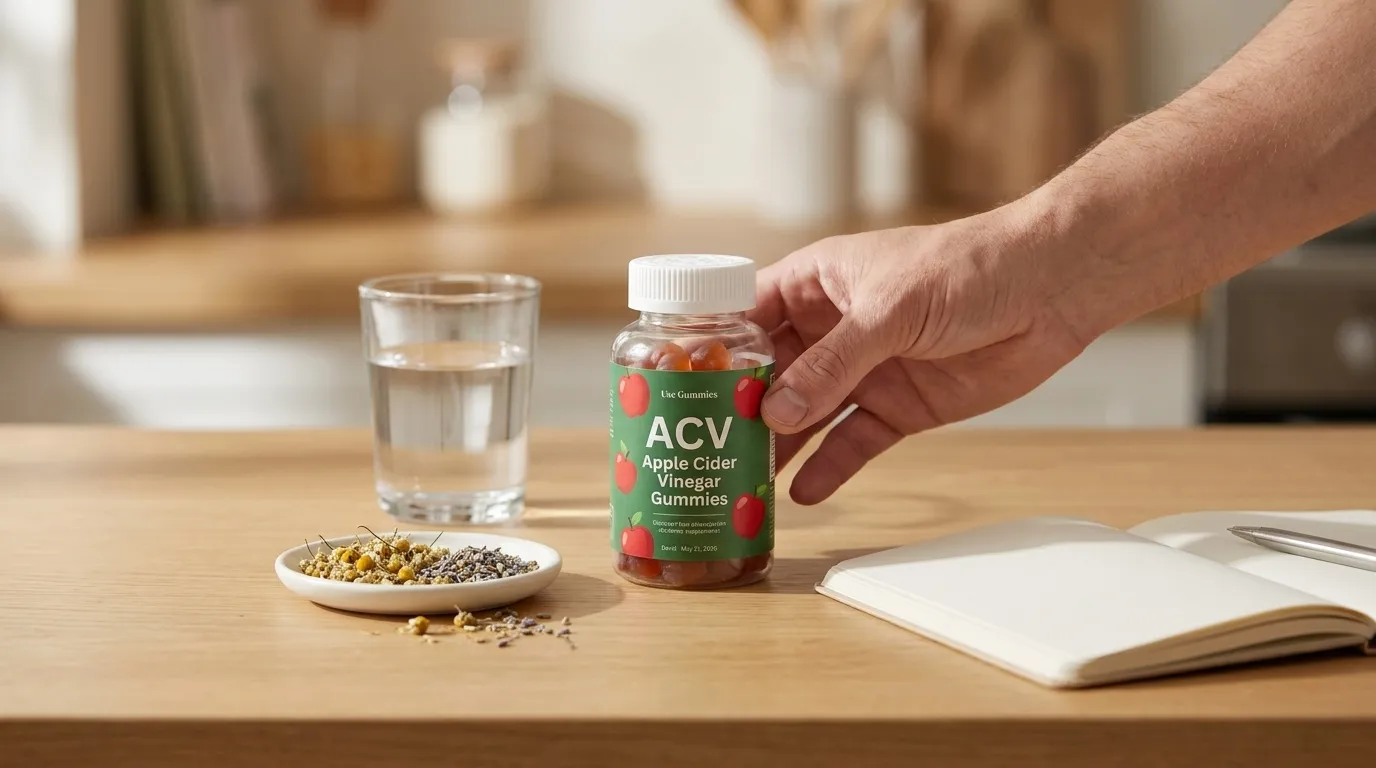
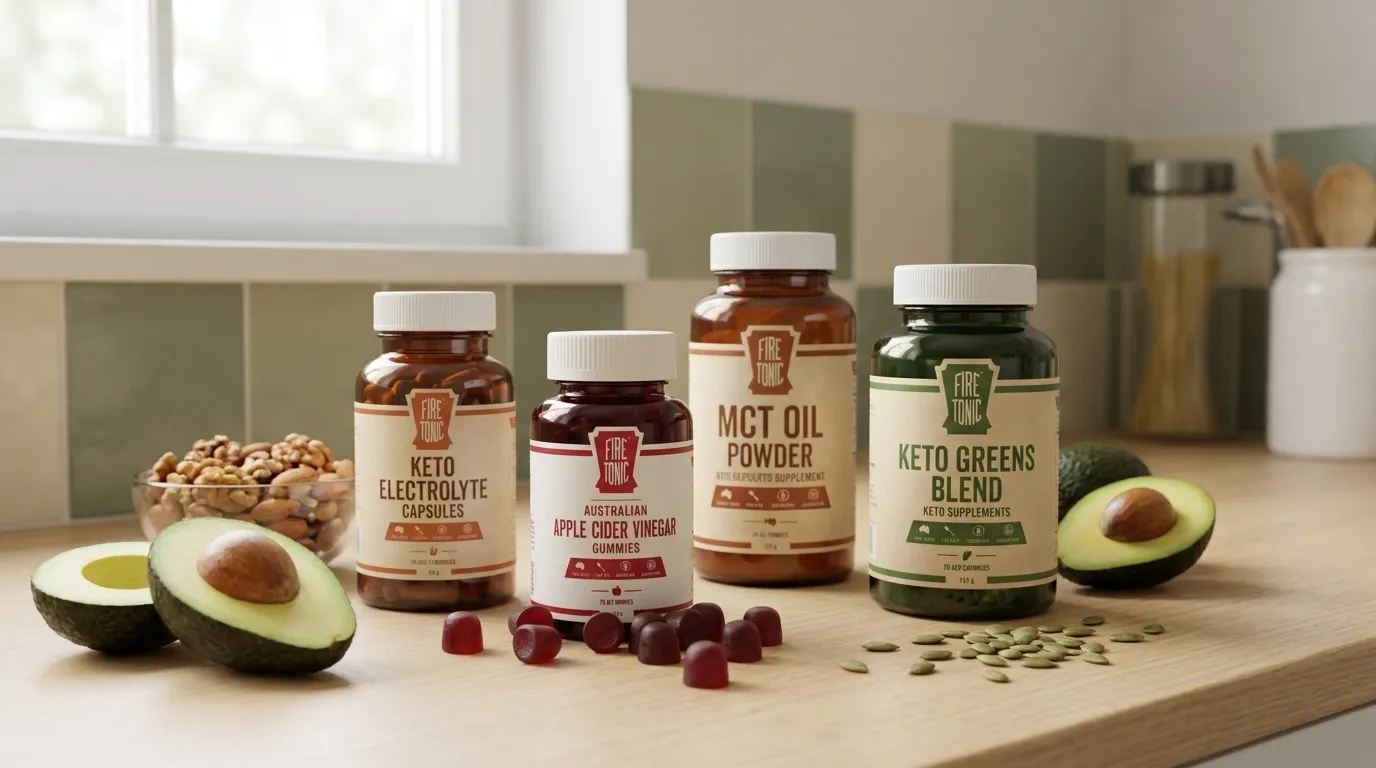
For beginners, keto can feel like a lot all at once. Tracking carbs, planning meals, and reading labels all take time to learn, and it doesn’t always make sense right away (most people hit this stage). That’s where keto diet supplements sometimes fit in. They’re meant to support real food, not replace it. Keto ACV gummies, for example, are often used to help with appetite awareness, digestion comfort, and small habits like meal timing or cutting back on random snacking, the kinds of details that are easy to miss.
Problems usually show up when people push too hard. Skipping meals, eating too little, or ignoring electrolytes adds stress, and that stress often raises cortisol, which can slow fat loss. A steadier approach tends to work better: eating enough, drinking water, using electrolytes when needed, and keeping expectations realistic. It’s not flashy, but it often works in real life.
For a side‑by‑side look at different hormonal tools, this article breaks it down: ACV vs. Ashwagandha for hormonal fat loss. It explains how each option supports a different part of the process, using practical examples instead of hype.
Additionally, for those focusing on keto supplements, see Best Sweeteners for Keto Gummies: What to Look For for ingredient insights that help maintain ketosis.
Ashwagandha for Stress and Its Role in Fat Loss
Ashwagandha is often called an adaptogenic herb, which sounds technical but usually means something simple. Adaptogens can help the body deal with stress in a steadier, more balanced way over time. The effects aren’t fast or dramatic. They don’t force hormones up or down. Instead, they support balance as the body adjusts and settles, which is what many people are actually hoping for.
Several studies suggest that taking ashwagandha for a few weeks may lower cortisol and reduce everyday stress. When cortisol drops, stress eating can feel easier to manage, sleep often improves (which most people notice makes a difference), and recovery may feel smoother. Together, these changes can support fat loss in an indirect way for many people.
Below is a quick snapshot of stress-related outcomes that have been linked to ashwagandha use. Just a glance.
| Outcome | Average Change | Timeframe |
|---|---|---|
| Cortisol levels | Reduced | 8, 24 weeks |
| Perceived stress | Lower scores | 8 weeks |
| Sleep quality | Often improved | Several weeks |
Ashwagandha gummies are popular mainly because they’re easy to take and easy to remember. No mixing, no measuring. For beginners, consistency usually matters more than doing everything perfectly, and gummies can help when capsules or powders feel annoying.
If stress feels like the main roadblock, there’s a full breakdown of Ashwagandha Gummies for Stress: What to Know, including what to expect and how to use them safely, so everything is clear before starting.
Common Mistakes When Combining Keto and Ashwagandha
Combining keto and ashwagandha can work really well, especially when expectations are realistic. Early on, many beginners run into a few common and very fixable problems. One of the biggest surprises is how long results can take. Hormone-related fat loss usually moves slower than fast water weight drops, and that difference can feel frustrating when you’re putting in a lot of effort. That slower progress is normal, even when you’re doing things right, so patience often ends up being part of what makes this combo successful.
Another common mistake is taking too much. With ashwagandha, more doesn’t usually mean better. Research-supported doses are generally between 300 and 600 mg per day. Going above that can cause stomach discomfort or ongoing tiredness, which can make keto feel harder than it needs to be. Keto gummies can also create problems, especially if hidden sugars or poor-quality sweeteners interfere with staying in ketosis.
Timing matters too. Some people sleep better when they take ashwagandha at night, while others feel calmer taking it in the morning. There’s no one-size-fits-all rule. Keto gummies often work best earlier in the day or before meals, when blood sugar control matters most.
A helpful step is learning how supplements work with food. This is explained here: how to pair ashwagandha gummies with meals, with simple timing tips many beginners find useful, especially at the beginning.
Advanced Tips for Long-Term Hormonal Balance
Thinking past this week can help once the basics feel steady. In keto wellness, cyclical keto has become more common over time, especially for adults planning ahead. This approach adds small amounts of carbs on certain days, often after workouts or on weekends. For some people, it reduces hormonal strain and feels easier to stick with over months or years. It creates a slower pace with less daily pressure.
Supplement choices also fit into that long view. Instead of stacking products, quality often matters more than quantity, at least in my experience. Look for gummies with bioavailable forms, clear dosing, and keto‑friendly sweeteners that don’t spike blood sugar. These details matter because lower‑quality options can cause blood sugar swings or stomach issues, which can make consistency harder.
Stress management matters beyond supplements. Simple habits like walking and sunlight support daily rhythms, while sleep routines and breathing exercises help keep cortisol steady, especially at night. Ashwagandha tends to work best as part of that bigger picture, not a quick fix.
Hormonal fat loss rarely moves in a straight line, and progress often comes in waves. Because of that, changes in energy, mood, or sleep can matter just as much as the scale, sometimes more, like noticing steadier energy all week.
Putting It All Into a Simple Daily Routine
A routine that feels doable usually leads to better results over time, at least in my experience. Food comes first because those choices often shape the rest of the day. Meals tend to work best when they focus on protein-rich foods, healthy fats, and low-carb vegetables. Keeping things simple often works better than trying to be fancy. Drinking enough water also matters, and adding electrolytes can help when needed.
Supplements come after that, but only if they actually help you stay consistent and fit into real life. Keto ACV gummies can be taken with meals or earlier in the day, depending on your schedule. Ashwagandha gummies are usually taken once a day, and taking them at the same time helps, alarms can be useful.
Pay attention to how you feel, not just the scale, and look for patterns. Sleep quality, cravings, and stress often shift together. Short notes make patterns easier to see. Make changes slowly, since extra stress can slow hormonal fat loss, even when a plan looks solid.
The Bottom Line for Beginners Ready to Start
Hormonal fat loss often works better when it works with the body instead of fighting it, which can save a lot of frustration. Keto can help manage insulin and support fat burning in a steadier, more natural way, especially around meals. Ashwagandha for stress may help calm cortisol, and that can create conditions where fat loss is more likely to happen. The result is often less pushback from the body, more balance, and a calmer mindset along the way.
When used with some care, keto gummies and ashwagandha gummies can make daily routines easier to keep up over time. They are not a miracle, just support. Think of them as tools that fit into everyday life without much effort, helping with consistency instead of quick fixes. Real progress still comes from habits, patience, and realistic expectations, and that matters most from day to day.
New to this? Start small. Try one change, pay attention to how your body responds, and adjust. That could mean cutting back on carbs at dinner or putting more focus on better sleep first.