Keto Gummies Side Effects: Who Should Be Careful?
If you’re thinking about trying keto gummies, this guide can help you spot the real risks before you buy. It covers which side effects usually matter most, who should be more careful, and how to tell whether a product looks more like safe keto gummies or just smart marketing, which is common. It’s pretty simple. It’s for adults who want a simple low-carb supplement and don’t want to deal with surprises like stomach trouble, dizziness, or ingredient-related issues, especially the frustrating ones.
Keto gummies are often sold as an easy extra for weight goals. But “keto gummy” is not one standard product. Some formulas use BHB salts, while others include MCT oil, apple cider vinegar, fibers, sweeteners, sugar alcohols, or other added ingredients. That matters because keto gummies side effects usually have more to do with the full ingredient label than whatever the front of the bottle says. Most of the time, the ingredient list tells you more than the branding does.
A lot of people also assume that because gummies seem easy, they must be gentle. Not always. Some gummies are closer to candy than a real supplement, especially when they include sugar, syrups, and harsh fillers. That’s often where people get misled. If you want more background on how to judge label fit, that was covered here Are Keto-Friendly Gummies Really Keto?.
Before you start with keto gummies side effects in mind
If you’re about to try a keto gummy, get a few basics together first:
- The full supplement facts panel and ingredient list
- A list of your medications and health conditions
- A simple way to track your response over 3 to 7 days, like notes on your phone
- Water and regular meals, so you are not trying a new gummy while dehydrated
- Extra caution if you have diabetes, kidney issues, IBS, or if you take blood sugar or blood pressure medicine
Tip: When a brand hides amounts in a proprietary blend, that’s often a warning sign, especially if you are trying to figure out what might actually be causing an effect.
Step 1: Know the keto gummies side effects most people notice first
The most common keto gummies side effects usually start with digestion. That’s the clearest pattern seen in keto diet research, MCT research, and expert guidance on gummy-style products, based on the evidence available. In a 2026 systematic analysis of ketogenic-diet interventions, 43% of participants reported at least one adverse event. 40% reported gastrointestinal issues, 17% reported neurological issues, and 24% reported constipation. Constipation was the most common single problem.
| Reported issue | Rate | Period/source type |
|---|---|---|
| At least one adverse event | 43% | 2026 systematic analysis of ketogenic-diet interventions |
| Gastrointestinal adverse events | 40% | 2026 systematic analysis of ketogenic-diet interventions |
| Neurological adverse events | 17% | 2026 systematic analysis of ketogenic-diet interventions |
| Constipation | 24% | 2026 systematic analysis of ketogenic-diet interventions |
Those numbers do not prove gummies cause side effects at the same rates. But they do help show what usually happens when people begin using ketogenic support. Often, the gut is the first place that reacts, which isn’t very surprising here.
You run the risk of GI issues if your keto gummies use sorbitol, which is known as a laxative.
So the main things to look out for are constipation, bloating, gas, cramping, nausea, and diarrhea. The chance may also go up if a gummy has MCT oil, sugar alcohols, added fibers, or similar ingredients.
Common mistake: Starting with the full serving on day one. That often leads to stomach upset, and people blame ketosis. But often, the bigger issue is the formula or the dose.
Step 2: Check the exact ingredients before you worry about the word ‘keto’
Don’t rely on the front label alone. It usually helps to turn the bottle around and check what’s actually inside. You’ll find the active ingredients, sweeteners, and any extras there before deciding what the product really is.
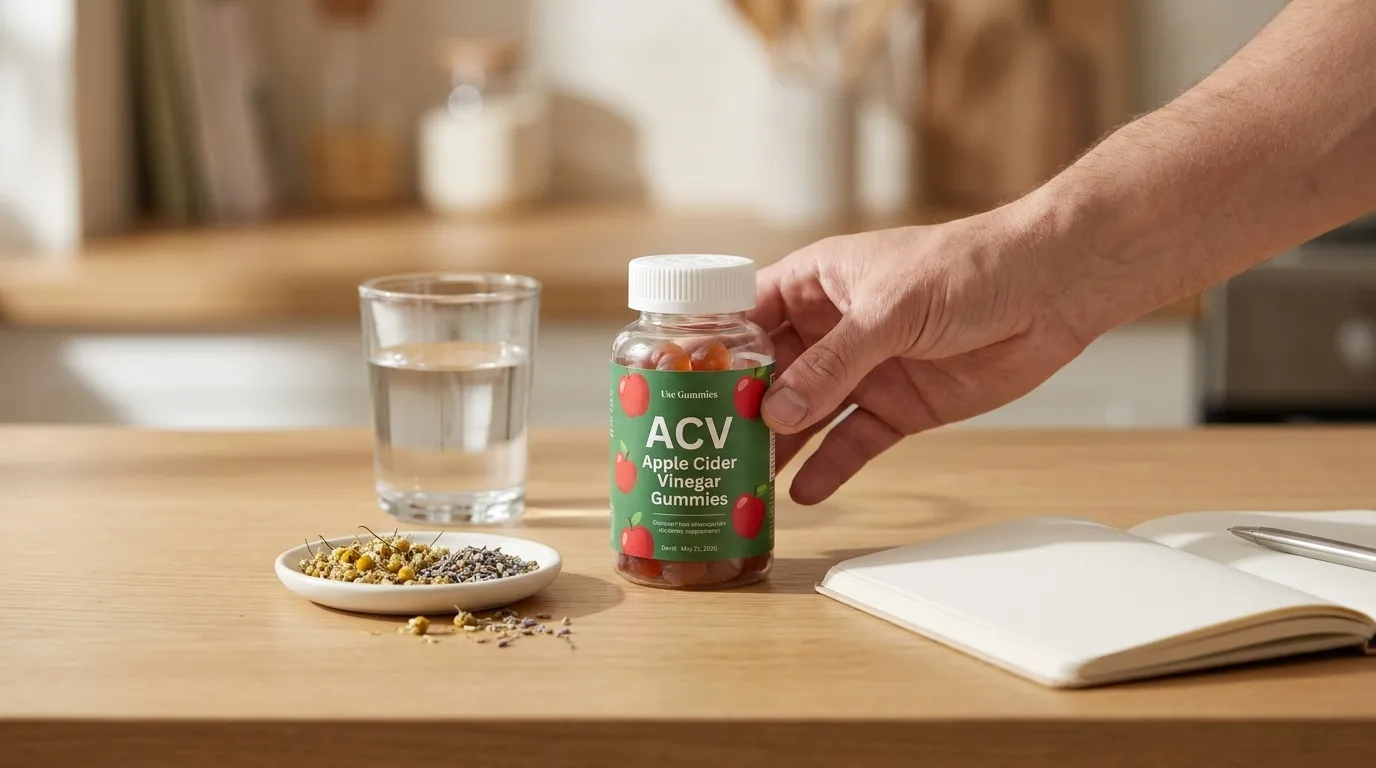
Keto gummies aren’t one standard category. Some include exogenous ketones, while others use MCT oil. Some are basically ACV gummies with keto branding on the front, which can feel a little misleading. They’re not the same thing, and some probably don’t contain meaningful ketones at all. If you want examples of how different formulas compare, Keto Gummies Review: Best vs. Traditional Supplements 2026 breaks down several common styles.
Here’s a quick label-check method:
Step 2.1: Look for the active driver
Check whether the formula uses BHB salts, MCT oil, ACV, or a mix, since those can feel a little different when you compare options. That usually matters here. MCTs can bump ketones up a bit, but once the amount gets higher, cramping and quicker bowel movements often become the limiting factor, and those are pretty hard to ignore.
Step 2.2: Scan the sweeteners for keto gummies side effects
If you’ve got a sensitive stomach, look for sorbitol, maltitol, or lots of sugar alcohols; it happens. It’s a small thing, I think, but even keto-friendly sweeteners can cause problems for some people. For a deeper ingredient comparison, Best Sweeteners for Keto Gummies: What to Look For goes into the common options in more detail.
Step 2.3: Watch for stimulant-style add-ons
Some weight-loss supplements on the market use caffeine or hidden drug-like ingredients, which is honestly concerning. That’s a real issue. FDA warning notices from 2026 about several weight-loss products with hidden ingredients make the point pretty clearly: quality really matters, especially when you’re buying supplements.
Step 2.4: Avoid vague blends
When a label says ‘proprietary blend’ but doesn’t list the amounts, it’s really hard to know whether the dose is mild or enough to upset your system, which can be pretty frustrating. That also makes product comparisons a lot less useful, since you’re often stuck guessing.
If you want to look a bit more closely at different formula styles, Ketone Gummies Explained: What They Actually Do explains what the ingredients are supposed to do.
Tip: A cleaner formula with fewer moving parts is often easier to tolerate than a gummy that tries to do too much at once, at least in most cases. Usually, that means less guesswork.
Step 3: Match the risk to your health history
This is the step many people skip, and that’s often where problems start. A gummy that feels totally fine for one person might not be the right choice for someone else, and that’s actually pretty common. That really matters.
Step 3.1: Be very careful if you have diabetes
Keto-style products can change blood sugar patterns, eating habits, and medication needs, which can be a lot to handle. If you use insulin or another glucose-lowering drug, trying a keto gummy on a whim isn’t a good idea. There is real risk. Hypoglycemia can happen, and early ketosis can sometimes look like serious diabetic problems. So, in this view, asking your clinician first usually makes sense.
Step 3.2: Use caution with kidney disease or kidney stone history
Keto-style diets have been tied to worries about kidney stones, and if you get dehydrated, that risk can get worse. If a gummy cuts your appetite, you may eat less or not drink enough, and that can put more strain on your kidneys. So please be careful.
Step 3.3: Be cautious with IBS, constipation, or a sensitive gut
In a 2026 clinical review of ketogenic diets, reported symptoms ranged from 1% to 68% for constipation, 8% to 16% for nausea, 2% to 23% for diarrhea, and 8% to 25% for headache. Those figures aren’t just about gummy-only use, which probably matters here. They do help explain why people with a sensitive gut should usually start with a low amount and go slowly, especially at the beginning.
Step 3.4: Avoid self-testing during pregnancy or breastfeeding
There just isn’t much long-term safety data on this specific product, so it’s usually smart to be extra careful, especially if you’re pregnant or breastfeeding.
Step 3.5: Ask first if you have liver, pancreas, thyroid, or gallbladder issues
Some health issues can affect how your body deals with a high-fat ketogenic diet, and that can be a bigger deal than it sounds. It’s better to know that before you start.
That’s why it’s important to talk to your doctor about it and see what they have to say.
Common mistake: Assuming “natural” means low risk, even though that’s not always true.
Step 4: Start in the lowest-risk way possible for keto gummies side effects
If your doctor says a trial makes sense, try the gummy carefully, maybe at home, and in a controlled way. Start small, I’d say.
Step 4.1: Start with half the suggested serving
For 2 or 3 days in most cases, start with half the suggested serving, unless the label says not to split the dose. It’s usually easier with food rather than on an empty stomach. Small change, I think.
Step 4.2: Keep everything else steady
Starting a strict keto diet, a fasting plan, an electrolyte drink, and a new gummy all in one day is a lot to pile on at once. When you change too many things together, it usually just makes the whole thing harder. If several things change together, you probably won’t know what caused the side effect, which can get really frustrating.
Step 4.3: Track four signs
Jot down the basics: bowel changes, nausea, headaches, dizziness, energy, thirst, and appetite. If you keep at it, you’ll probably start to see patterns. Some people also compare symptoms with guides like Ketosis Gummies: Signs, Timing, and What to Expect to get a clearer sense of what changes are typical.
You should be cautious if you’re going try it. Slowly introduce keto gummies to see how you do because you don’t want to all sudden just kind of overdo it and have those side effects and not be very happy.
Step 4.4: Stop if symptoms build
If you’re still having diarrhea, strong cramping, severe fatigue, shakiness, unusual weakness, or any signs of dehydration, check in again, even if it all seems minor.
If you want a wider look at warning signs and what to expect, Are Ketosis Gummies Safe? New Findings for 2026 Revealed lays out the bigger safety picture, so it’s easier to see the main risks in one place.
Tip: Staying hydrated usually makes a big difference here. Headaches and dizziness don’t always come from the gummy itself, and they can get worse when carbs drop or your fluid levels shift.
Step 5: Use a simple checklist to spot safer options
No keto gummy is safe for absolutely everyone. You can usually cut some of the risk, though, by looking for signs that the product at least appears to be made with more care.
A safer-looking option should have:
- Full ingredient transparency
- Clear serving sizes with exact amounts
- No proprietary blend that hides the dose
- Third-party testing or other quality checks
- Reasonable sweeteners without an obvious sugar overload
- Limited use of sorbitol if you’re GI-sensitive
- Realistic claims instead of ‘rapid fat burning’
Some brands stand out simply because the formula is straightforward and easy to work into a routine. Use Gummies, for example, falls into the gummy-first wellness category for people who don’t like pills. And if you browse Use Gummies, keep your focus on those same basics: transparent labeling, keto-friendly sweeteners, and formulas that don’t try to cover weight, energy, and digestion in one chew, which often ends up being too much. You can also compare product positioning in guides like Best Gummies for Weight Loss: Comparing Keto, ACV, and Other Options.
Also remember the long-term evidence gap.
There aren’t any studies that have shown the long-term effects of keto gummies and if they’re beneficial.
So ‘safe keto gummies’ are better seen as a risk-reduction idea, not a promise or guarantee. That’s probably the most practical way to look at them in most cases, even if the marketing tries to frame them differently.
Common mistake: Going by hype words like ‘burn,’ ‘melt,’ or ‘detox’ instead of reading the supplement facts panel yourself.
How to verify success and what to do next
You’ll usually know a keto gummy is at least tolerable for you if, after several days, there’s no meaningful stomach upset, no dizziness, no unusual fatigue, and no conflict with your medications or routine. That’s really the main sign. Success here doesn’t mean dramatic fat loss after one week. It simply means your body seems to handle the product without it causing more trouble than benefit.
If you feel fine, what comes next is straightforward: keep the dose the same, don’t pile on other keto products too quickly, and notice whether the gummy actually works with your routine. A simple way to do that is a quick check-in, just a plain, honest look at how you’re feeling. If you feel worse, stop using it and think through the likely cause. That could be sweeteners, the MCT amount, taking it on an empty stomach, dehydration, or an issue with medication.
Mainstream dietitians have also become more skeptical of overhyped keto gummies, and that caution usually makes sense here. As Jessica Schwartz put it in Forbes Health, these products are often sold with claims that go further than the evidence supports. So keep your expectations grounded and read the label closely. Why not start low and factor in your health history before deciding anything more? If you want a cleaner gummy-based wellness option, start by comparing products with transparent ingredient lists, since that’s usually the easiest part to check, whether you’re looking at Use Gummies or another brand in the same space. And if you want to look into the brand’s wellness supplement approach, you can do that through this gummy supplement brand, then use the label and your clinician to help make the final call.