The Future of Wellness: Top Supplement Innovations to Watch in 2026
The wellness supplement space is moving fast in 2026, and it’s hard not to notice. One clear change is the move away from one‑size‑fits‑all pills toward options that fit into real, everyday routines. Over the past year, hydration support has started doing more than just replacing electrolytes. More supplements are also being made for midlife bodies, where needs often shift. There’s growing interest in adaptogenic formulas too, especially ones meant to support stress in a steadier way, without relying on stimulants. It feels like a calmer kind of support, and that quieter approach is likely why so many people are getting into it.
Stress and metabolic health keep coming up as top concerns for health‑conscious adults, especially lately, which helps explain why these changes matter. Hormonal balance is often part of the mix, particularly for people following keto or low‑carb lifestyles, since those plans can change what the body needs. Brands are adjusting as researchers get involved and healthcare professionals share input. The focus is now on convenience, better absorption, long‑term support, and products people can actually stick with day after day. In my view, staying consistent usually makes the biggest difference over time.
Hydration Support Evolves Into a Daily Wellness Tool
Hydration supplements aren’t just for athletes or extreme heat anymore. By 2026, hydration support is quietly becoming part of everyday wellness, especially for adults dealing with low energy, mental fog, and slower muscle recovery after normal activity like a long walk or a basic workout. The change isn’t loud or flashy, but it’s easy to notice if you’re paying attention. Industry reporting points to a wider range of electrolyte blends that now include magnesium, gentle fibers for digestion, immune‑focused nutrients, and a few other small functional additions. That tends to matter more in daily life than it sounds.
Keto and low‑carb diets often lead to higher electrolyte loss, so plain water can fall short for people following those approaches, even when they’re doing everything “right.” That gap can be frustrating and hard to spot.
Trade publications such as NutraIngredients, which is known for covering ingredient and formulation trends, report a clear rise in hydration products made for women in specific life stages, including perimenopause and menopause. These formulas often focus on muscle function and fatigue, while also helping the body hold onto fluids more evenly throughout the day, not just after exercise. That kind of steady support is simply useful.
Sugary sports drinks, at the same time, are losing ground. Many newer options keep sugar very low or remove it entirely, which fits better with metabolic health goals and feels more realistic for daily use. Less sugar usually means fewer crashes.
Market data shows the same pattern overall. The global hydration supplement category keeps growing as people lean toward simple daily habits that offer more than one benefit without much effort. Hydration shifts from being about recovery days to everyday support, easy to use and easy to keep.
| Hydration Feature | Primary Benefit | Why It Matters in 2026 |
|---|---|---|
| Electrolytes | Fluid balance and energy | Supports keto and low-carb lifestyles |
| Magnesium | Muscle and nerve support | Helps with cramps and sleep quality |
| Gut-support nutrients | Improved absorption | Enhances daily supplement effectiveness |
Midlife Wellness Moves to the Center of Innovation
A noticeable change in wellness supplements this year is how strongly midlife wellness has moved into focus. By 2026, adults in their 40s and 50s are clearly driving demand, and it shows in subtle but meaningful ways. Instead of chasing trends built for twenty‑somethings, they’re looking for support that fits real life now: afternoon energy without a crash, stubborn weight changes, bone strength, and hormonal balance, usually without hormone‑based solutions. To me, that shift feels practical and long overdue, and it reflects frustrations many people quietly deal with every day.
According to industry coverage from The Naked Pharmacy, midlife consumers have become a real wellness powerhouse, and brands are reacting fast, sometimes almost too fast. New collagen and protein blends focus on maintaining muscle mass and easing joint stiffness. There’s also growing attention on supplements that support metabolic flexibility, often delivered in easier, more consistent formats that skip scooping or mixing. Many products now combine multiple benefits, which usually means fewer pills and less counter clutter.
This shift matters because hormonal changes can affect how the body responds to food and exercise, often in annoying, unpredictable ways. Midlife supplements aim to work with those changes instead of pushing against them. That’s also why many fit well with keto or low‑carb eating patterns, supporting steadier energy and more predictable appetite control, especially later in the day.
If you’re curious how ketosis‑focused products fit into this, we covered that here: whether keto ACV gummies really support ketosis.
Personalized and Data-Led Supplement Routines Take Off
Personalization in wellness is no longer just a buzzword. By 2026, it’s clearly shaping how supplements are made and how people use them day to day (yes, what actually makes it into the morning routine). Instead of one-size-fits-all advice, many people now look at biomarkers and lifestyle data tied to specific health goals. That might sound complex, but in real life it’s pretty simple. Prenuvo reports that the global blood-based biomarker market was worth $7.85 billion in 2024 and is expected to reach $11.58 billion by 2030. Growth like that usually points to real interest, not just hype. To me, it shows that more people trust data-backed health choices and feel more confident picking supplements that fit their own needs.
| Metric | Value | Timeframe |
|---|---|---|
| Global biomarker market size | $7.85 billion | 2024 |
| Projected market size | $11.58 billion | 2030 |
This shift also leads to simpler, more focused routines. Someone dealing with chronic stress might stick to adaptogens and magnesium, keeping the routine short on purpose. Another person working on weight management may choose metabolic or hydration support, based on what their data shows. Personalization can also cut down on supplement fatigue, since people often take fewer products and stay more consistent with ones that feel relevant.
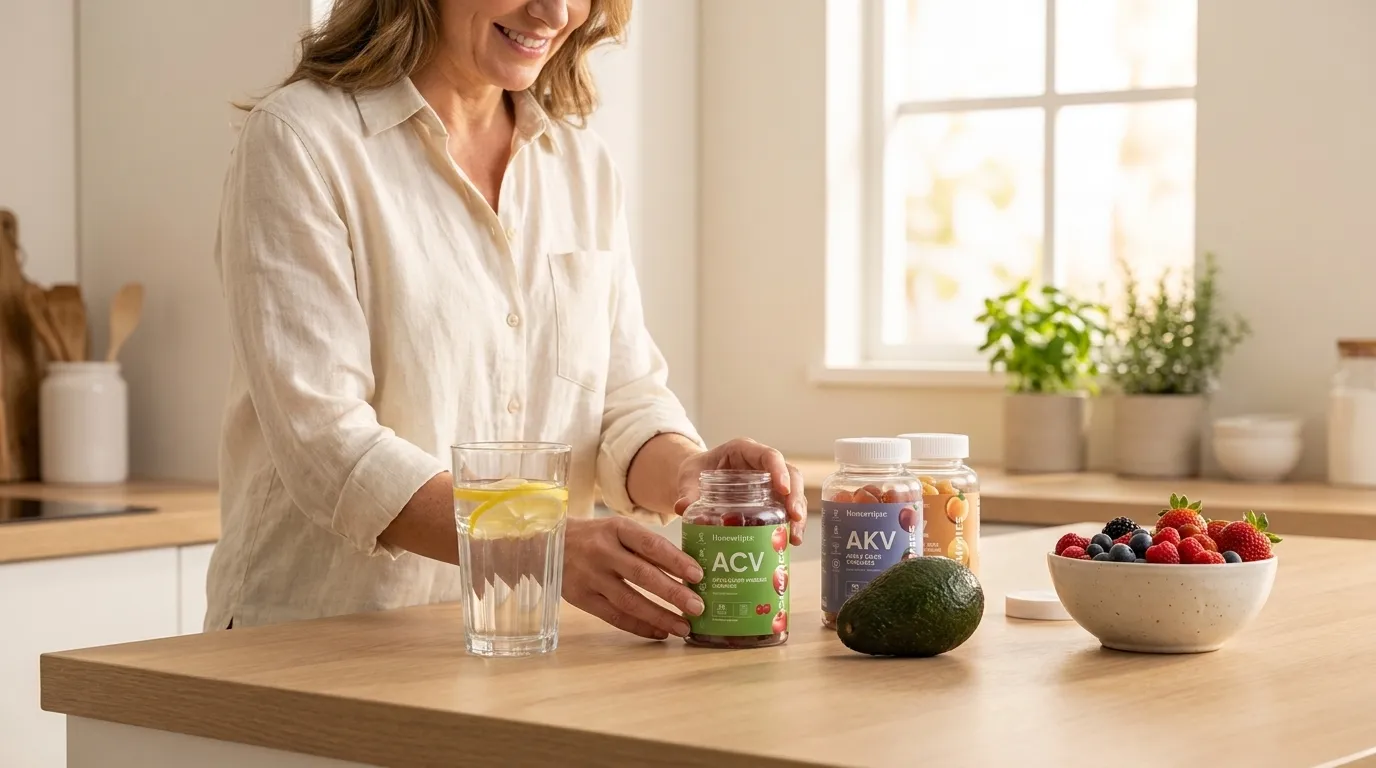
Medical reviewers and wellness analysts often say personalization works best when paired with steady habits. Consistency usually matters more than expected, especially when supplements are easy to use. Formats like gummies or drink mixes added to water tend to fit everyday life better. That’s why brands like Use Gummies focus on convenient options that support stress management and ketosis without complicating daily routines.
Adaptogens and Stress Support Go Fully Mainstream
Stress support is near the top of supplement search trends, and in 2026 it doesn’t seem to be slowing down. Adaptogens like ashwagandha and rhodiola have moved far past niche wellness circles and are now appearing almost everywhere. Trend reports from HUM Nutrition show that people often pick these ingredients to handle everyday stress and support mood, usually without turning to caffeine or sugar. That kind of balance matters in real life, especially when work, errands, and sleep all compete for time (and sleep is usually the first thing to give).
What makes this shift interesting is how ongoing stress can affect weight, hormones, and energy levels, often slowly and without clear signs. Adaptogens are often combined with hydration or nootropic blends, so stress support comes along with focus or hydration in one product. This setup fits busy schedules instead of adding another step, which helps explain why interest keeps growing. Gummies, especially, have become popular. They’re easy to carry, simple to remember, and often easier on the stomach than other options.
If you’re curious how adaptogens fit into modern stress routines, this is explored further here: ashwagandha for stress.
Convenience and Compliance Shape Supplement Design
Convenience is a defining feature of wellness supplements in 2026. According to HUM Nutrition’s 2026 wellness trend report, people are more likely to stick with supplements when they slide easily into daily routines, like sitting next to the morning coffee with no extra effort. You can see this shift in fewer capsules, more drink mixes alongside powders and gummies, and formulas that cover more than one need at once. In my view, this works because juggling three separate products gets tiring fast, and that small hassle adds up over time.
Compliance matters for a simple reason: even a great supplement does nothing if it never gets used. Most people know that feeling. Products built around everyday habits tend to support longer-term goals like weight management or hormonal balance, instead of quick fixes that fade. Low-sugar formulas matter here too, especially for keto and low‑carb followers who want results without blood sugar spikes slowing progress.
All of this shows a clear mindset shift. Consumers aren’t usually chasing extreme detoxes or instant results anymore. They’re choosing options that feel sustainable and supportive day after day, often without much thought. With convenience shaping design, expect more hybrid products that mix hydration with stress support or combine metabolic health into one simple format people actually use.
Putting These Trends Into Your Daily Routine
Wellness supplements in 2026 feel less like chasing the next big thing and more like settling into habits that actually stick, which can be a relief. Instead of piling up products that end up unused, the focus moves to doing a few things consistently. Hydration support shows this shift clearly, with added minerals and nutrients instead of plain water alone. Midlife wellness formulas are also getting more attention, shaped around hormonal changes and daily routines based on personal data like sleep, stress, and movement. Adaptogens for stress are appearing more often too. Overall, it’s pretty simple and points to routines that fit real life without extra planning.
For health‑conscious adults, the takeaway stays practical. One helpful approach is picking supplements that match everyday realities like work stress, low energy, or weight changes. These issues often overlap, so combining adaptogens with hydration or metabolic support can work well in many cases. Complicated schedules usually wear people down, though. Easier formats, like gummies, make sticking with the habit more realistic, especially on busy mornings.
As the wellness supplement industry keeps changing, staying informed can make choices feel lighter, not heavier. Many 2026 trends focus on everyday needs and long‑term health instead of quick fixes. Fewer steps, more balance, and simple, natural routines people can keep up with over time.