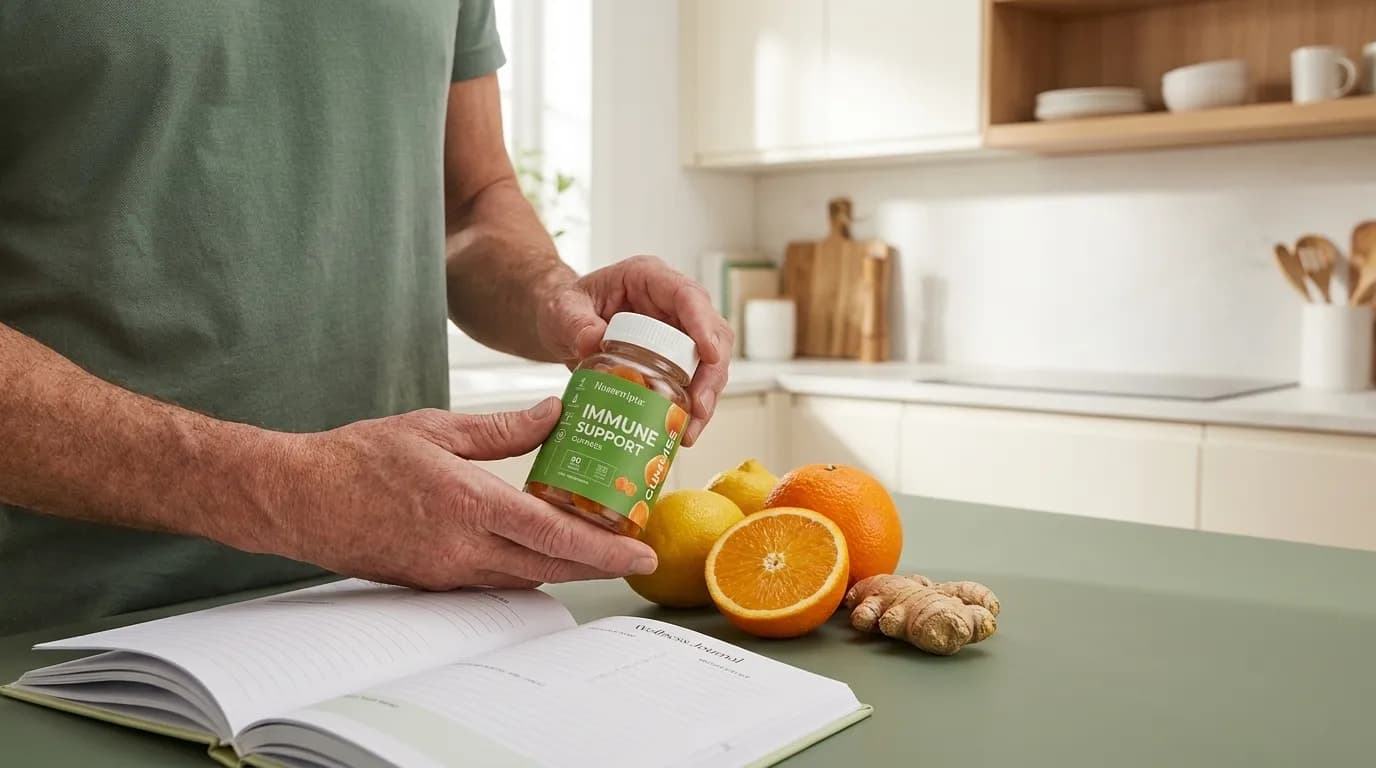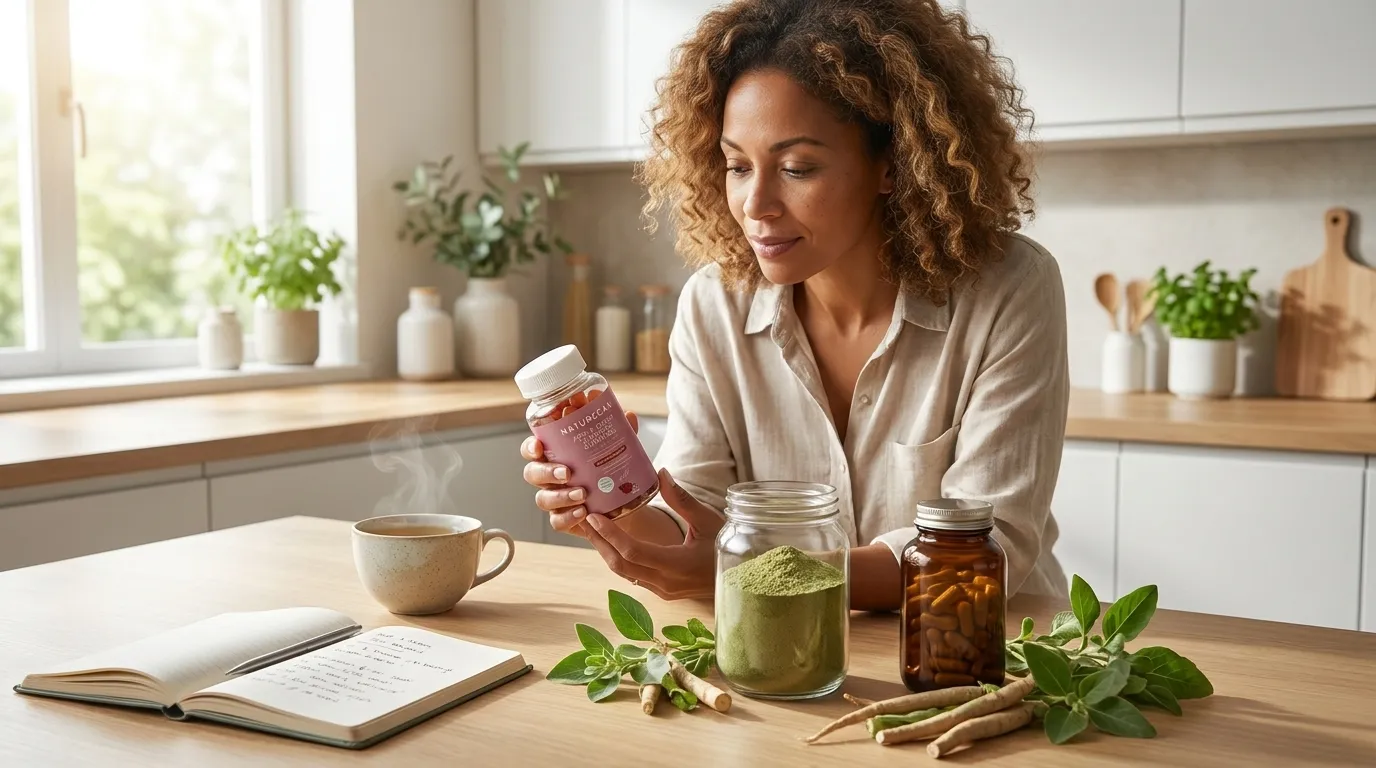
Latest Developments: India's Ban on Ashwagandha Supplements and What It Means for Stress Relief in 2026
India’s latest move on ashwagandha supplements is getting a lot of attention in 2026, and the reason is pretty clear. In April, the Government of India reaffirmed that manufacturers of Ayush products can use only ashwagandha roots, not the leaves. Leaves are not allowed in any form. That includes crude leaves, leaf extracts, and any other version. This matters even more now because ashwagandha has become one of the most widely used natural options for stress relief, sleep support, and hormonal balance. At the same time, it is causing new confusion for shoppers who hear the word “ban” and assume every product is affected.
The situation is more limited than that. This is not a blanket ban on all ashwagandha supplements everywhere. It is a strict regulatory step in India that focuses on which parts of the plant may be used, with special attention on leaves in covered products. For anyone buying adaptogens in 2026, the biggest practical change is usually needing to read labels more carefully. Brands also need to be clearer about sourcing, including whether a product uses root-only material. Consumers, too, need to pay closer attention to quality. Below, this breaks down what happened, why it matters, what it means for stress relief choices, and how to shop more carefully.
What India Actually Announced About Ashwagandha Supplements This Week
The main update came in an advisory dated April 15, 2026 from India’s Ministry of Ayush. It said that manufacturers, exporters, sellers, and others handling Ayush products must use only ashwagandha roots in crude, extract, or other forms. The notice also repeated an earlier direction from October 6, 2021, which said ashwagandha leaves should not be used. So the government is not banning the plant itself. What it is doing is tightening enforcement around which part of the plant can legally be used in these products, and that difference matters a lot here.
That matters because many buyers see headlines about an “India ban” and quickly assume all ashwagandha supplements are unsafe or illegal. But that is not what the document says. Instead, it points to a compliance issue, since some manufacturers were still using leaves even after the earlier guidance. This week’s move is really a fresh warning, now backed by stronger enforcement and, most likely, closer scrutiny too.
| Key update | What it says | Date |
|---|---|---|
| Root-only requirement | Use only ashwagandha roots in covered products | April 15, 2026 |
| Leaf restriction | Ashwagandha leaves are strictly prohibited | Reiterated in 2026 |
| Earlier notice referenced | Prior direction against leaf use | October 6, 2021 |
For brands and shoppers, the main point is still simple: right now, the source part of the plant matters more than ever. If a label does not clearly say root, or a company cannot clearly explain whether its extract comes from the root, that is usually a good reason to pause. You will want that detail before buying in most cases. Broader market changes are covered here in this guide to ashwagandha supplements.
Why This Matters for Stress Relief Shoppers in 2026
Ashwagandha became a wellness staple mostly because it was so easy to add to daily routines, and that is probably a big reason it spread so fast. People use it for stress relief, calmer evenings, better sleep habits, and a little extra support during busy workweeks. With gummies, powders, capsules, and drink mixes, the category felt simple and convenient. That is exactly why this India ban story matters right now. A popular supplement only really works for shoppers when they can trust what is actually inside the bottle or pouch.
For health-conscious adults, this news touches several big concerns: safety, consistency, transparency, and clear labeling. Safety matters here because differences in plant parts can change the overall profile of a supplement. Consistency matters too, since two products both labeled ashwagandha may not even be made from the same plant material. Many shoppers also do not know to ask whether a formula uses root only, leaf only, or a mix, and most people would not naturally think to ask. That makes transparency even more important when someone is trying to compare products side by side.
This also connects to a wider 2026 trend. Across the supplement space, consumers are paying closer attention to labels. They want cleaner ingredient lists, better sweeteners, simpler dosing, and products that really fit into real routines without extra hassle. That is especially true for people interested in keto, adaptogens, and bioavailable formats like gummies. In most cases, shoppers now seem to expect labels that are clearer and easier to understand.
The issue also goes beyond India. Global headlines can shape trust, affect buying behavior, and change how brands talk about their formulas. So when shoppers look for stress relief support now, they need to look past the front label and see what plant material and formula details are actually being used.
Root vs. Leaf: The Detail Most Labels Do Not Explain Well
The main issue in the India ban story is simple, but easy to miss: which part of the ashwagandha plant is being used. For a long time, many people assumed most ashwagandha supplements were basically the same, which makes sense. But when it comes to regulation and product quality, root and leaf are not the same thing. It may seem like a small detail at first, yet India’s 2026 enforcement makes that difference much harder to ignore.
Root has traditionally been the part most often linked to classic ashwagandha use. That helps explain why the Indian advisory is so specific. It tells manufacturers of covered products to use only roots and to stop using leaves in any form. That is pretty direct. For buyers, this usually means labels deserve a closer look before anything goes into the cart.
One good place to start is the supplement facts panel. You will usually see wording such as ‘ashwagandha root extract’ or ‘root powder’ if the label is clear. If it only says ‘ashwagandha extract’ and never names the plant part, that is an obvious gap. Another step is checking the brand website or customer support page, if one exists. A trustworthy company should be able to explain sourcing, standardization, and whether the formula is root-only. Dosage clarity matters too, especially because a good label should make the amount per serving easy to understand.
Mistakes in this category are pretty common. Some people go straight for the cheapest option without checking standardization. Others assume a trendy gummy must be lower quality than a capsule, which is not always true. Still, it happens often enough. And after seeing a ban headline, some people stop using every ashwagandha product right away, even though the issue is likely much narrower than that.
If you are comparing convenient formats, we covered that here: best ashwagandha gummies. It can help with extract strength, sugar content, and absorption without the hype.
How the India Ban Could Reshape the Ashwagandha Supplements Market
Even if someone does not buy supplements directly from India, this story could still affect what appears on store shelves and online in 2026. When rules change in a major herbal market, companies often end up reviewing ingredient sources, updating formulas, and being more careful about the quality claims they make. That can lead to relabeling, reformulation, or ingredient pages that share more detail about extracts and sourcing, which shoppers really do notice. These are small shifts, but they can still be easy to spot.
For some brands, this will probably be a real stress test. Companies with clear documentation and better supplier controls will likely have an easier time explaining what they sell. Brands with vague sourcing, on the other hand, may have a harder time as consumers start asking tougher questions, and that already seems to be happening. This could widen the gap between premium supplements and lower-cost products that compete more on marketing than on clear ingredient information.
There is also a consumer education side to this. This latest development may push more people to learn the difference between raw herb, standardized extract, full-spectrum extract, and plant-part sourcing. Over time, that usually helps in practical ways. Better-informed shoppers often make safer choices and feel more confident about what they buy.
Another likely shift is stronger interest in alternatives for stress relief. Some consumers may pause ashwagandha for now and look at options like magnesium, L-theanine, sleep hygiene changes, mindfulness routines, or other adaptogens. For some people, that is probably a sensible pause. Others may keep using ashwagandha, but only after confirming root sourcing. So demand may not disappear. In many cases, it may simply become more selective.
Brands like Use Gummies fit this moment when they focus on clear explanations, simple formats, ingredient transparency, and fewer vague wellness promises. Additionally, you can explore related insights in Why Ashwagandha Gummies Are Trending for Stress Relief in 2026 and Do Ashwagandha Gummies Actually Work? What Research Says About Stress, Sleep, and Everyday Use.
What to Do Before You Buy Any Ashwagandha Supplement Now
If you’re using ashwagandha for stress relief, there’s no need to worry. But there is a good reason to get more comfortable reading labels, and it’s usually easier than it seems. A few simple checks can help a lot.
Start by confirming the plant part. Right now, root-only wording is a strong sign. Then check the serving size and the total amount per serving. You’ll also want to see whether the product lists a standardized extract, since that can make consistency easier to judge. After that, look through the rest of the formula, including sweeteners, fillers, and any added herbs. And what are you actually trying to support: calm, sleep, or everyday stress management? That usually shapes the better choice more than most people think.
The reason this matters is simple: the best supplement is not always the strongest one. It should fit your needs, and you should know what you’re taking. Someone following a keto-style routine, for example, might pay more attention to sugar content and timing, which makes sense for that goal. Different people, different priorities. At the same time, people focused on daily stress may care more about steady use and simple dosing than extra-strong formulas. In my view, that is often the more useful way to compare products.
Another helpful step is matching the format to your lifestyle. Gummies can feel easier if you do not like swallowing pills. Capsules may work better for people who want fewer added ingredients. If your main question is whether gummies make sense for everyday calm support, that is covered here in ashwagandha for stress.
The Bigger Wellness Trend Behind This Story
The India ban discussion points to a broader shift in wellness: people want natural products, but they also want proof, consistency, and better oversight. In 2026, that demand is shaping everything from adaptogens to keto diet supplements, not just a few niche products. Convenience still matters, but here, trust usually matters more.
So this story goes beyond one herb. It shows how quickly consumer habits can change when regulators step in. It also suggests that the future of stress relief will probably feel more personal and more matched to individual needs. Some people will stick with root-based ashwagandha supplements. Others will build broader routines that include sleep habits, exercise, nutrition, therapy, and other non-herbal support, which, in my view, makes sense. Often, a careful approach means using supplements thoughtfully while also paying attention to lifestyle.
There is a clear takeaway for brands too. Labels need to say more, not less. Product pages should explain ingredient sourcing in simple language, so you can tell where the plant comes from and what is actually in the bottle. Wellness shoppers are tired of mystery blends and vague answers. They want to know what part of the plant they are taking, and why.
The Bottom Line for Stress Relief in 2026
India’s latest regulatory move adds some urgency, but it should push people toward smarter shopping, not fear. The main point is simple: the 2026 update focuses on the use of ashwagandha leaves in covered products and reinforces a root-only rule. That means not every ashwagandha supplement should be viewed the same way. The part of the plant used matters now, and probably more than most people expected.
For people who rely on ashwagandha supplements for stress relief, the next step is still pretty simple. Labels need a closer look, especially for root-only wording. When details are missing, asking questions is usually the safest move. It also helps to compare the dose, the format, and any added ingredients. These may seem like small details, but they often make a real difference. Stress support also tends to work best when supplements are part of a wider routine that includes sleep, food, movement, and recovery, instead of just a capsule on its own.
This latest India ban news matters because, even with some short-term confusion, it may improve long-term quality across the category. Because of that, 2026 could end up being a turning point. Better transparency may make it easier for buyers to find products that are popular, clearly labeled, safer, and easier to trust, like a bottle that plainly says root-only sourcing instead of leaving people to guess what is actually inside.