Vegan Gummies: What to Check Before You Buy
Buying vegan gummies sounds simple at first. Then the label checking starts, and it can get confusing fast. One bottle says “plant-based.” Another says “sugar-free.” Others mention stress support, weight management, hormone balance, or daily wellness (which does sound nice). At the same time, a lot of supplement gummies still hide extra sugar, low doses, and non-vegan ingredients.
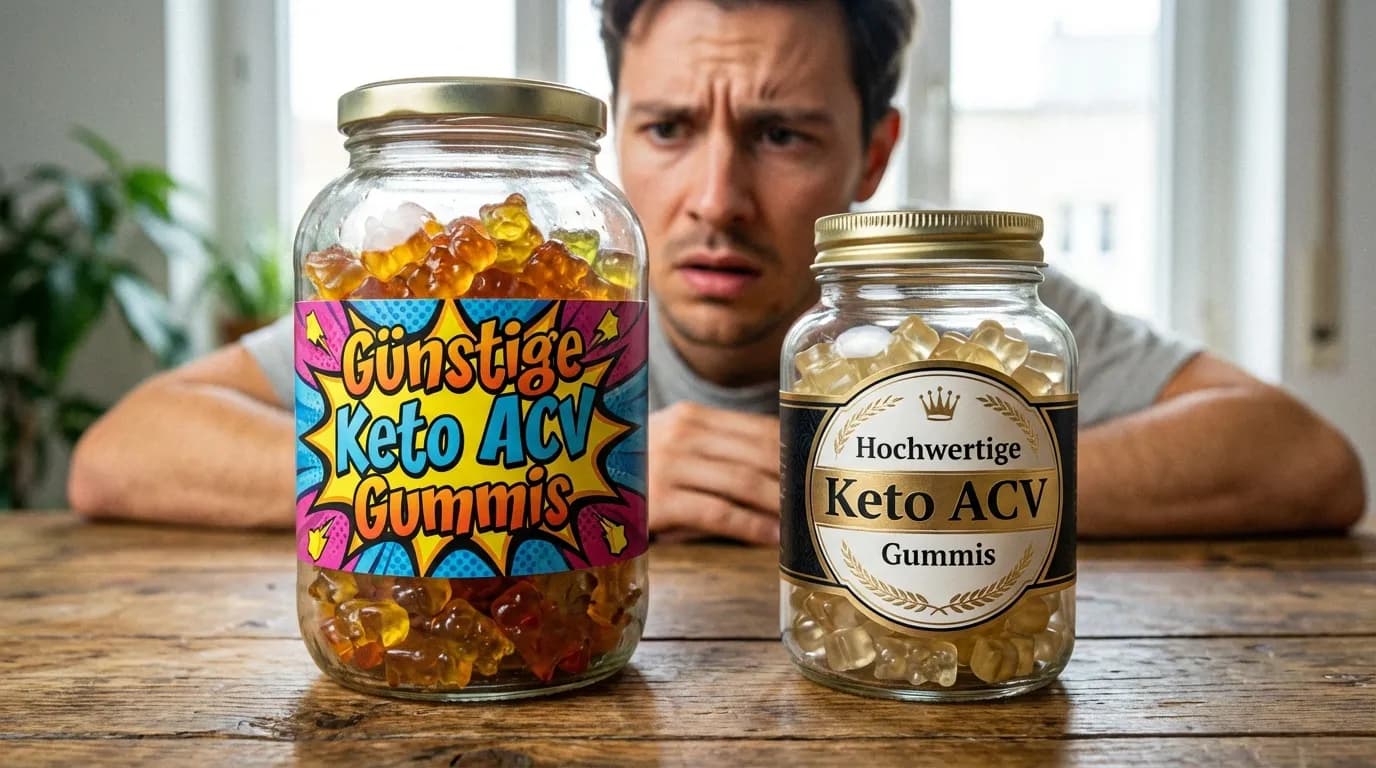
That gets even more tricky for anyone who cares about keto living, adaptogens, and clean wellness products. A gummy can be vegan and still not work well for keto. It may seem natural but still contain syrups, artificial colors, and vague blends (which are easy to miss, in many cases). And since vitamin supplement gummies taste like candy, people often focus more on flavor than on what is actually inside. That is usually where things start to go wrong.
The good news is that shopping smarter does not take a science degree. A short checklist is often enough. This guide covers what to look for before buying vegan gummies, how to read labels, how to spot quality issues, and how to choose a product that fits goals around stress, weight, or everyday wellness. Still deciding whether gummies are even worth it? That question is covered here: gummy supplement absorption.
Why vegan gummies are growing so fast
Vegan gummies are not just a tiny niche anymore. They are part of a much bigger wellness shift. In 2025, the global gummy market reached USD 12,525.2 million. The global gummy supplements market is also expected to reach USD 37.02 billion in 2026. Adults now make up 73.8% of the gummy supplements market, which makes it pretty clear gummies are not only for kids now.
| Metric | Value | Year |
|---|---|---|
| Global gummy market size | USD 12,525.2M | 2025 |
| Global gummy supplements market | USD 37.02B | 2026 |
| Adults as gummy supplement users | 73.8% | 2026 |
| Vitamin gummies share | 37.1% | 2026 |
| Gelatine share of broader gummy market | 67.9% | 2025 |
Those numbers help explain why supplement aisles and health store shelves keep filling up with new gummy options. But more choice does not always mean better quality. The bigger market is still led by gelatin-based products, so finding truly vegan options often takes some label checking. Many shoppers see a fruity gummy and assume it is plant-based. Very often, it is not.
There is a simple reason demand for plant-based options keeps rising: people want clean-label products, shorter ingredient lists, and supplement routines that feel easy to stick with. That is especially true for adults looking for stress support, keto support, or wellness habits that do not feel like work. Brands like Use Gummies reflect that shift by focusing on easy gummy formats for goals like stress support and keto support. For many people, that kind of format often works better in real life when the goal is to keep things simple.
Most seals of approval are meaningless.
That quote is a useful reminder. Front-label claims may catch attention first, but the fuller story is usually on the back of the bottle, where the ingredient list appears. In most cases, that is where shoppers can tell what is actually vegan and what is not.
Start with the ingredient that makes vegan gummies truly vegan
The biggest clue is usually the gelling agent. If a gummy contains gelatin, it isn’t vegan, because gelatin comes from animal collagen. A vegan gummy will often use pectin instead, and sometimes agar. That’s usually the quickest way to tell the difference.
This can help you avoid a very common buying mistake. People often see words like ‘natural,’ ‘fruit-flavored,’ or ‘plant-based wellness’ and assume the whole product is vegan. But that’s not always true. Gelatin still appears in a large part of the gummy market, so this is often the first thing worth checking.
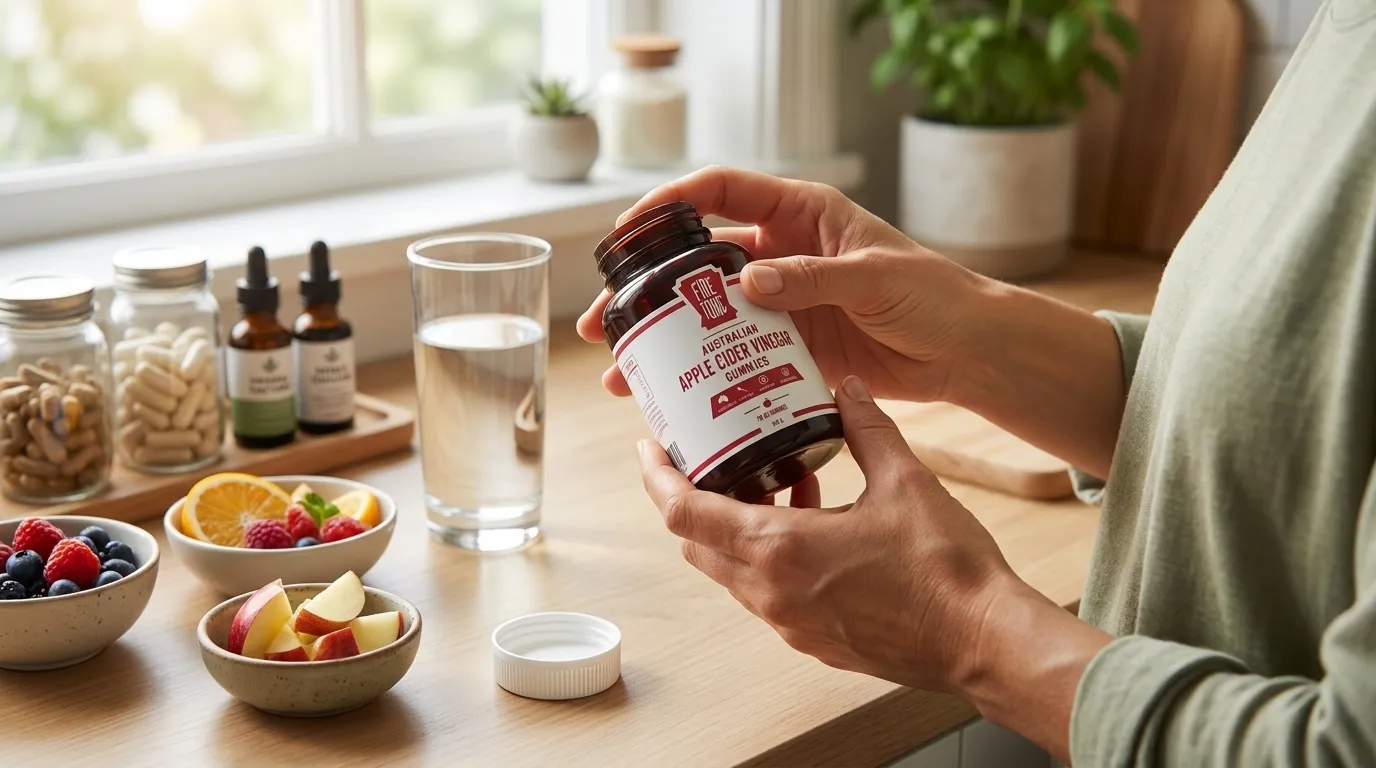
Then look at the full ingredient list, not just the active ingredients. The FDA requires dietary supplement labels to show both a Supplement Facts panel and an Other Ingredients list. That second section often tells you more than people expect, because extra details can hide there. It may list sweeteners, flavors, coating agents, starches, preservatives, and colorings.
Here is a simple label-reading order:
1. Check the gelling base
Look for pectin or agar, since they’re usually vegan options. If you want truly vegan gummies, skip gelatin.
2. Read the Other Ingredients list
Hidden extras often appear here, and they’re honestly easy to miss. You probably won’t spot them right away.
3. Scan for artificial colors and flavors
Some people skip these when they want a cleaner product, which is really common. Usually, it’s a simple choice.
4. Check serving size
A label can look low in sugar at first, and that happens a lot. Then you find the serving size is just one gummy, even though the suggested use is two or three, so the sugar you actually get is often higher than it first seems.
If you’re comparing keto-friendly options, you may also want to read Keto Gummies Review: Best vs. Traditional Supplements 2026 for a wider look at how gummy formats compare with other supplement types. In addition, the article The Rise of Keto ACV Gummies: Are They Worth the Hype in 2026? offers further insights about how formulation affects absorption and taste.
Sugar, sweeteners, and net carbs matter more than most people think
This is probably one of the main ways vitamin supplement gummies fall short. UCLA Health says that most gummy vitamins contain between 2 and 8 grams of sugar per serving. At first, that may not seem like much, and for many people it usually isn’t. But the total can add up faster than expected if someone uses more than one gummy product during the day.
| What to check | Why it matters | Quick tip |
|---|---|---|
| Sugar grams | Can work against weight or keto goals | Aim for the lowest amount that still fits your routine |
| Sweetener type | Some syrups raise carbs fast | Watch for cane sugar, glucose syrup, and concentrates |
| Sugar alcohols | May cause bloating or stomach upset | Test tolerance slowly |
| Serving size | Can hide true sugar intake | Multiply by full daily serving |
Health experts also often point to guidance from the American Heart Association, which recommends no more than 25 grams of sugar per day for women and 36 grams per day for men. With that in mind, a few sweet gummies can use up more of that daily limit than people may realize before lunch, which is pretty easy to overlook.
This becomes even more relevant for anyone shopping for keto products. A product can be vegan and still contain a lot of sugar or carb-heavy syrups. It might also say ‘no added sugar’ while still using fruit juice concentrates that can still affect carb counts. So ‘vegan’ and ‘keto’ really are not the same thing here. In most cases, it makes sense to check the actual grams listed on the label. For more information about keto-friendly supplement choices, check out Keto Diet Supplements and NHS Weight Loss Solutions 2026.
Some brands use sugar alcohols or other sweeteners instead. That can lower the sugar content, although it does not always agree with everyone. Ingredients like maltitol may cause gas or digestive discomfort for some people. If someone already has a sensitive stomach, starting slow is usually the safer way to go.
Check the active dose, not just the front-label promise
A gummy can include trendy ingredients and still be underdosed. That happens all the time with supplement gummies, since brands have to balance taste, texture, shelf stability, and basic space limits, which is a lot to ask from one small gummy. There’s only so much that can realistically fit into a single piece.
The more useful question is simple: How much of the active ingredient am I actually getting per serving? If someone is buying vegan gummies for stress, sleep, metabolism, or hormonal support, that exact amount can often make a real difference.
This comes up a lot with adaptogenic products. People often look for ingredients like ashwagandha, maca, or mood and balance blends. But once the label hides the dose inside a proprietary blend, it gets much harder to tell what’s actually in the formula or what the money is paying for. In most cases, clearly listed amounts for each ingredient are usually a much better sign. For a deeper look at how ashwagandha dosing compares across products, see Best Ashwagandha Gummies Compared: Extract Strength, Sugar Content, and Absorption or Ashwagandha Supplements: Revolutionary Benefits and Recent Bans in 2026.
It also shows up in everyday use. Someone might grab a stress gummy because the front says ‘calm support,’ take it for a month, and not notice much at all. Usually, that doesn’t mean gummies are the problem. More often, it points to weak dosing, a poor ingredient form, or a formula that puts more into flavor than function, which can get frustrating fast. If stress support is the goal, Stress Gummies Side Effects, Benefits, and Timing can help with use and timing.
Another easy mistake is thinking more gummies will bring better results. It usually doesn’t work that way. Sometimes it just means more sugar or sweeteners, and an empty bottle much sooner than expected. It’s also smart to check whether the formula actually fits the goal and to follow the serving guidance.
Quality signals that actually matter for vegan gummies
When shopping for vegan gummies, testing and transparency usually matter a lot more than flashy badges. Dr. Pieter Cohen has warned people not to rely too much on vague trust symbols, which is probably smart, especially with supplements where labels can seem more reassuring than they really are.
One useful sign of real quality control is third-party testing for identity, potency, contaminants, and consistency. You will also want a label that clearly lists active ingredients and serving size, along with other ingredients, without hiding important details. That part often gets overlooked, even though it can make comparing products much easier.
Storage also matters more than many buyers expect. Gummies can be sensitive to heat and humidity, so if they melt, stick together, or sit in a hot car, quality can drop. A good bottle should include clear storage instructions, so it is clear they need to stay in a cool, dry place.
Across the market, clean-label, tested, targeted formulas are becoming more common. More adults are buying gummies for stress, sleep, keto support, and daily health, and the best products will often be the ones with convenience, clearer labels, and specific testing details that make options easier to compare.
Match the vegan gummies to your real goal
Not all vegan gummies do the same thing, and that’s easy to miss. Some are just basic vitamin gummies, while others are made for stress, sleep, weight support, or keto habits. A better move is usually to match the formula to your real goal instead of grabbing whatever trend is getting the most attention online.
For weight management, the carb load and sugar content matter, and it also helps to check whether the formula makes realistic claims. If stress support is the goal, pay attention to the exact adaptogen dose. You’ll also want to notice how often it needs to be taken. For hormonal balance, be extra careful with broad promises. Clear ingredient amounts and simple label language often make it easier to see what you’re really getting.
A helpful buying method is this:
Choose one main goal
Support your weight, lower stress, sleep better, or maybe help your daily nutrition.
Check if the formula fits that goal
Do the ingredients and doses really make sense for that goal? That probably matters here, I think.
Decide if it fits your eating style
Vegan’s one filter. Keto-friendly could probably be another too, if you want. Seems simple, I think.
Make sure you can take it daily
Taste, serving size, and sugar load can affect whether you’ll actually keep taking it over time, which often matters more than people think.
Sticking with it usually beats hype here. A gummy that fits your routine and that you’ll really take every morning is often more useful than one you quit after a week, and that happens pretty often.
The bottom line for smarter buying
Before buying vegan gummies, it helps to check the basics first. Make sure the gummy is truly vegan, which usually means it uses pectin or agar instead of gelatin (that’s the main thing). A useful step is reading both the Supplement Facts panel and the Other Ingredients list, since those details can tell you a lot. You’ll also want to check the sugar grams, the kind of sweetener, the serving size, and the net carb impact if you follow a keto lifestyle or just try to keep carbs low.
Quality comes next. Look for clear dosing instead of vague blends, because that usually makes it easier to see what the formula is really giving you. Big claims about metabolism, hormones, or stress can sound appealing, but if the label does not show exact amounts, that is a red flag in my view. Convenience matters too, though it only helps when the formula is strong enough to support the goal, and in many cases the label makes that obvious.
The best supplement gummies should taste good while also being transparent, practical, and easy to use every day. Some people may want vitamin supplement gummies for daily support, while others may prefer a more focused formula for stress or weight management. Either way, the smartest buy usually starts with reading the label like a careful shopper, so it’s clear what is actually being purchased.