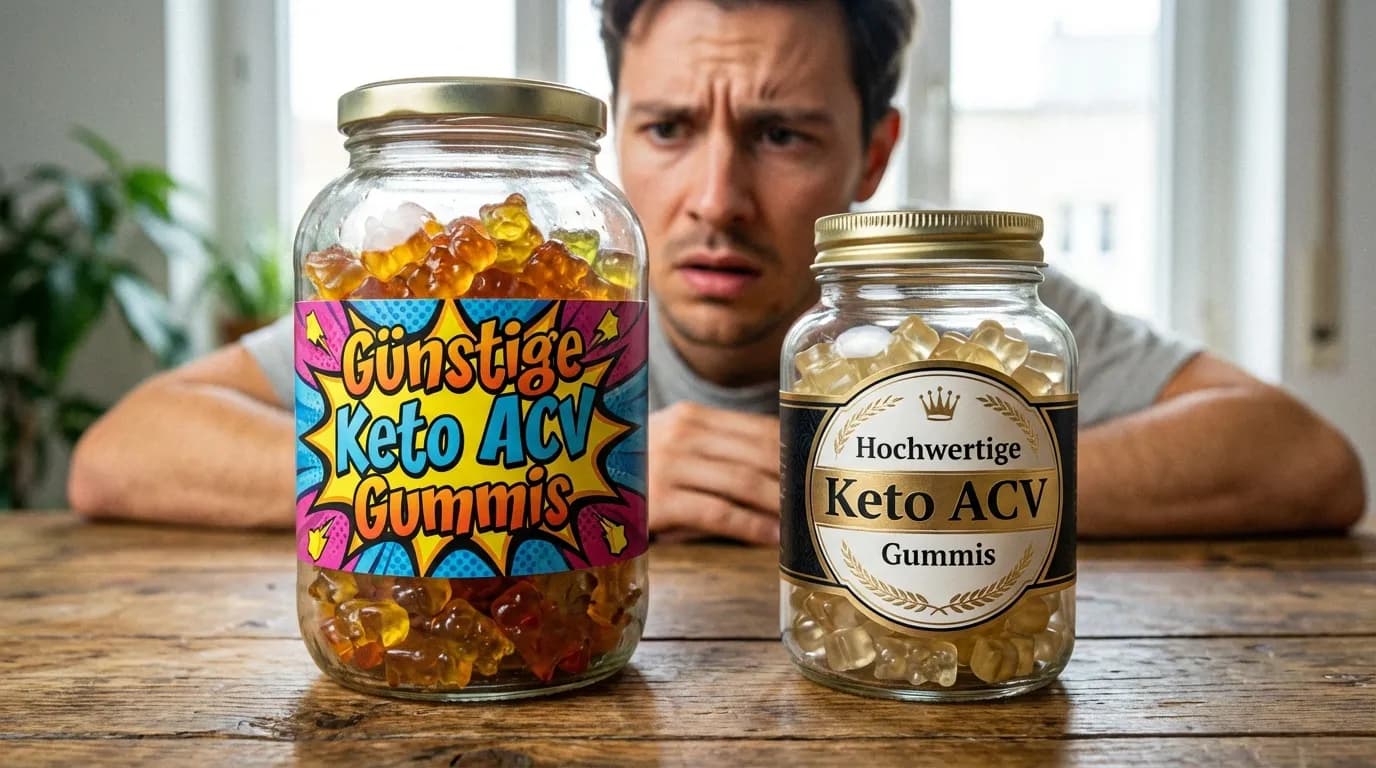
Do Gummy Supplements Absorb Differently Than Capsules? Bioavailability Myths Explained
A lot of people assume gummy supplements are less serious than capsules. They taste better, feel easier to take, and can seem more like a treat, which is likely part of the appeal. Because of that, it’s also easy to think they absorb less well. But it’s usually not that simple.
The truth is that bioavailability and absorption depend on more than just the format. A gummy, capsule, tablet, or powder can all work well, or not so well, depending on the nutrient itself, the dose, the ingredients used to carry it, and how the product is made. That matters for health-conscious adults looking for natural supplements that fit daily life, especially when the goal is weight management, stress support, hormonal balance, keto wellness, or adaptogens such as ashwagandha. And yes, that can feel confusing.
This guide explains what bioavailability actually means and where some of the biggest myths likely come from. It also looks at when gummy supplements may work just as well as capsules, and where capsules still have an edge. You’ll also learn how to spot a better product, what to notice on labels, and why, for many people, consistency often matters more than format. In my view, that’s a big part of it.
What Bioavailability Really Means for Gummy Supplements
Bioavailability sounds technical, but it’s actually pretty simple. It’s about how much of a nutrient or active ingredient gets into your system in a form your body can use. Absorption is part of that, of course, but it’s not the whole story, and that’s often where people get confused.
A supplement needs to stay stable in storage, break down at the right speed, move through digestion, and then deliver an ingredient in a usable form. So the real question usually isn’t just “gummy or capsule?” A better one is “what ingredient, in what dose, and in what formula?” That’s probably the more useful way to compare options if someone is really trying to sort through them.
One study on vitamin D3 found that gummies produced about 2 times higher peak blood levels and total exposure than tablets in healthy adults. But a pilot study on B12 and folate found no significant difference between gummy and tablet multivitamins when the doses were matched.
| Comparison | Key Finding | Why It Matters |
|---|---|---|
| Vitamin D3 gummy vs tablet | Gummy showed about 2x higher peak concentration and exposure | Formulation can improve delivery |
| B12 and folate gummy vs tablet | No significant difference when doses were matched | Format alone does not decide absorption |
| Capsule dissolution | Often around 20 to 30 minutes | Fast breakdown does not always mean better uptake |
As the table shows, there’s no one-size-fits-all rule here. The University of South Carolina research team behind the vitamin D study said formulation may matter more than delivery format by itself, which helps explain why results don’t always line up.
When manufactured to high standards, gummy vitamins can be very effective.
Why the ‘Gummies Absorb Worse’ Myth Stuck Around
This myth didn’t come from nowhere. Gummies really do have some limits. They usually can’t hold as much of an ingredient as a capsule or tablet, and they also come with taste, texture, and stability issues. That’s a real formulation problem, and it can affect what actually makes it into the final product.
Unlike pills, gummies traditionally can't pack in as many vitamins and minerals due to space and taste constraints.
You can see this most clearly with minerals and other high-dose ingredients. If someone needs a larger amount of magnesium, calcium, or certain herbal extracts, a capsule is often the more practical choice. With a gummy, it may take too many pieces to reach the target dose, and most people are not thrilled about that. Sometimes brands also leave certain ingredients out just to keep the flavor pleasant.
But lower dose capacity is not the same as poor absorption. Those two ideas often get mixed together, and that seems to be where a lot of the confusion starts. A gummy can absorb perfectly well while still giving a smaller dose. At the same time, a capsule may hold more, yet still be poorly made.
There’s also the separate issue of added sugar, coloring agents, and fillers. Gummies are not always the best fit for people following low-sugar, keto, or clean-label habits. Even so, the market has been changing fast. More brands now use pectin instead of gelatin, and many are lowering sugar, which was overdue. Some are also paying closer attention to natural supplements. We covered format quality here: Best Practices for Gummy Supplement Bioavailability.
Gummy Supplements vs Capsules: What Changes Absorption Most
Here’s the short answer: the ingredient and formula usually matter more for absorption than whether the supplement is a gummy or a capsule you swallow whole, which is honestly pretty simple.
The biggest factors that affect bioavailability and absorption are these, and that’s usually what matters most here, I think.
Nutrient type in Gummy Supplements
Fat-soluble nutrients like vitamin D often work better when taken with oils or other ingredients that help carry them, which is pretty simple in practice. Water-soluble nutrients likely depend less on format, though, as long as the dose and ingredient form are matched.
Dose size
Capsules often make more sense when you need a higher dose, which is usually pretty simple. But for lower or moderate doses, gummies can be a really good fit, especially if the active ingredient works well that way.
Ingredient form
Some nutrient forms are easier for your body to use than others, and that matters for herbs, vitamins, and minerals too. Pretty important, really.
Manufacturing quality
Poor mixing, weak stability, or uneven dosing can hurt any format, and that’s frustrating. That’s likely one big reason trusted brands matter so much.
Adherence
This gets ignored a lot. The best supplement is usually the one someone actually takes the way they’re supposed to. It really is that simple. If they hate swallowing capsules, which a lot of people do, even a great option probably will not help much if it just stays in the bottle.
For a lot of busy adults, gummy supplements make it easier to stay consistent. That matters in real life, especially on busy days. Stress support, keto routines, and adaptogenic wellness plans only help when people take them regularly, often enough for it to become a habit.
Where Gummy Supplements Fit Best for Stress, Keto, and Daily Wellness
Gummies are growing fast because they fix a very common daily habit problem. They’re easy to take, easy to toss in a bag for travel, and usually a lot more pleasant for people who really do not like pills, which is pretty common. It’s a small change, but often a useful one in everyday life. That’s a big reason the global gummy supplements market reached USD 11.70 billion in 2025 and is expected to keep growing quickly. Some reports put the market at USD 12.81 billion in 2026, and longer-term growth trends likely point much higher by 2030.
| Market Metric | Value | Time Frame |
|---|---|---|
| Global gummy supplements market | USD 11.70 billion | 2025 |
| Global gummy supplements market | USD 12.81 billion | 2026 |
| Projected CAGR | 14.4% | 2025 to 2030 |
| North America market share | 35.3% | 2026 |
This growth is not just about multivitamins. Functional gummies now include stress support, sleep, gut health, adaptogens, and weight management, which means they meet more specific wellness needs, not just the standard daily vitamin. That fits what many wellness shoppers want right now: simple routines and natural supplements that feel easy to keep up with. In most cases, that kind of convenience is what helps people stay consistent.
For example, ashwagandha gummies appeal to people who want calmer energy and better stress balance without adding another hard-to-swallow pill to the day. Keto ACV gummies appeal to people looking for a convenient support tool for a weight-management routine. Different goals, same basic appeal. If those topics are relevant, these may be useful: Why Ashwagandha Gummies Are Trending for Stress Relief in 2026 and Best Gummies for Weight Loss: Comparing Keto, ACV, and Other Options.
A natural mention here is Use Gummies, a brand focused on convenient gummy formats for keto and ashwagandha support, which is really the main point.
Common Mistakes People Make When Comparing Gummy Supplements and Capsules
A lot of the confusion comes from comparing the wrong things. People often compare a strong capsule to a weak gummy, then blame the format, which really is not a fair comparison. That is not a very good way to judge it.
So here are some common mistakes to avoid, so that does not happen.
Assuming all gummies are candy with vitamins added
Some are probably low quality, yeah, that happens. But some seem pretty well made too, I think. In many cases, capsules can be much the same.
Looking only at dose, not delivery
A bigger number on the label usually doesn’t mean your body will use it better. In most cases, delivery matters too.
Ignoring serving size
If a gummy serving is two pieces and you take one, you’re probably taking too little, one piece is often not enough.
Forgetting food timing
Some nutrients usually absorb better with meals, especially fats, and that likely matters if you pick gummies. Capsules can be affected too.
Expecting instant results
Adaptogens, metabolic support ingredients, and many wellness actives often need time to work. Using them every day really matters.
That is especially true for stress-related products, often more than people think. If someone only takes ashwagandha now and then, they may assume the format did not work, but the real issue is often inconsistent use or poor dosing. That is one reason many people prefer a format they enjoy and can actually stick with, which in most cases helps.
How to Choose the Best Supplement for Your Goals
If you want better results, a simple checklist usually works better than chasing myths. It’s often much easier than guessing, too.
Start by matching the format to the ingredient. Gummies can be a really good fit for certain vitamins, adaptogens, and wellness blends, especially if they’re easier to remember every day. Capsules, though, may make more sense for larger doses or bulky minerals, since they often hold more active material in each serving.
It also helps to check the full label closely. Look at the active amount per serving, the sweeteners, the ingredient form, and whether the product fits your diet. That can matter even more for anyone following keto or looking for natural supplements with fewer extras, which many people want.
What happens if capsules keep getting ignored in the kitchen cabinet? In that case, a good gummy may be the better option. Being honest about daily habits usually makes the choice clearer, because sticking with a supplement is often what helps support results.
Quality matters here, too. Brands that focus on stability, clear labeling, and strong manufacturing practices are often the safer choice. Even a promising formula can fall short if the product itself is poorly made.
Give the supplement some time as well. Over a few weeks, track how you feel and notice changes in sleep, stress, hunger, mood, and your usual routine. Those details can help show whether a product really fits your goals.
The Bottom Line on Gummy Supplements Absorption
So, do gummy supplements absorb differently than capsules? Sometimes, yes. But it’s not really as simple as saying one is “better” or “worse,” because that’s usually too broad to mean much. Right now, the evidence does not support the common myth that gummies absorb worse. In some cases, such as vitamin D3, gummies may even absorb better than tablets. In other cases, when the doses are matched, absorption often looks very similar.
What usually affects bioavailability and absorption more is the nutrient itself, along with the formula, the dose, the ingredient form, and the quality of manufacturing, not just the format alone. Gummies do have some limits, especially for larger doses and certain minerals, and that does matter here. At the same time, they offer real benefits like convenience, taste, and making it easier for people to stay consistent day after day.
If you want natural supplements that support weight management, stress relief, or hormonal balance, it often makes more sense to focus less on myths and more on what actually fits your routine. One simple approach is to choose a form you will really take regularly. You will also want to read labels carefully and match the product to your goal. In most cases, the best supplement is the one that is well made, fits your needs, and feels easy to use every day.